
Sewage Backup Cleanup in Erin: What Homeowners Should Know
By Polaris Restoration Group · · 6 min read
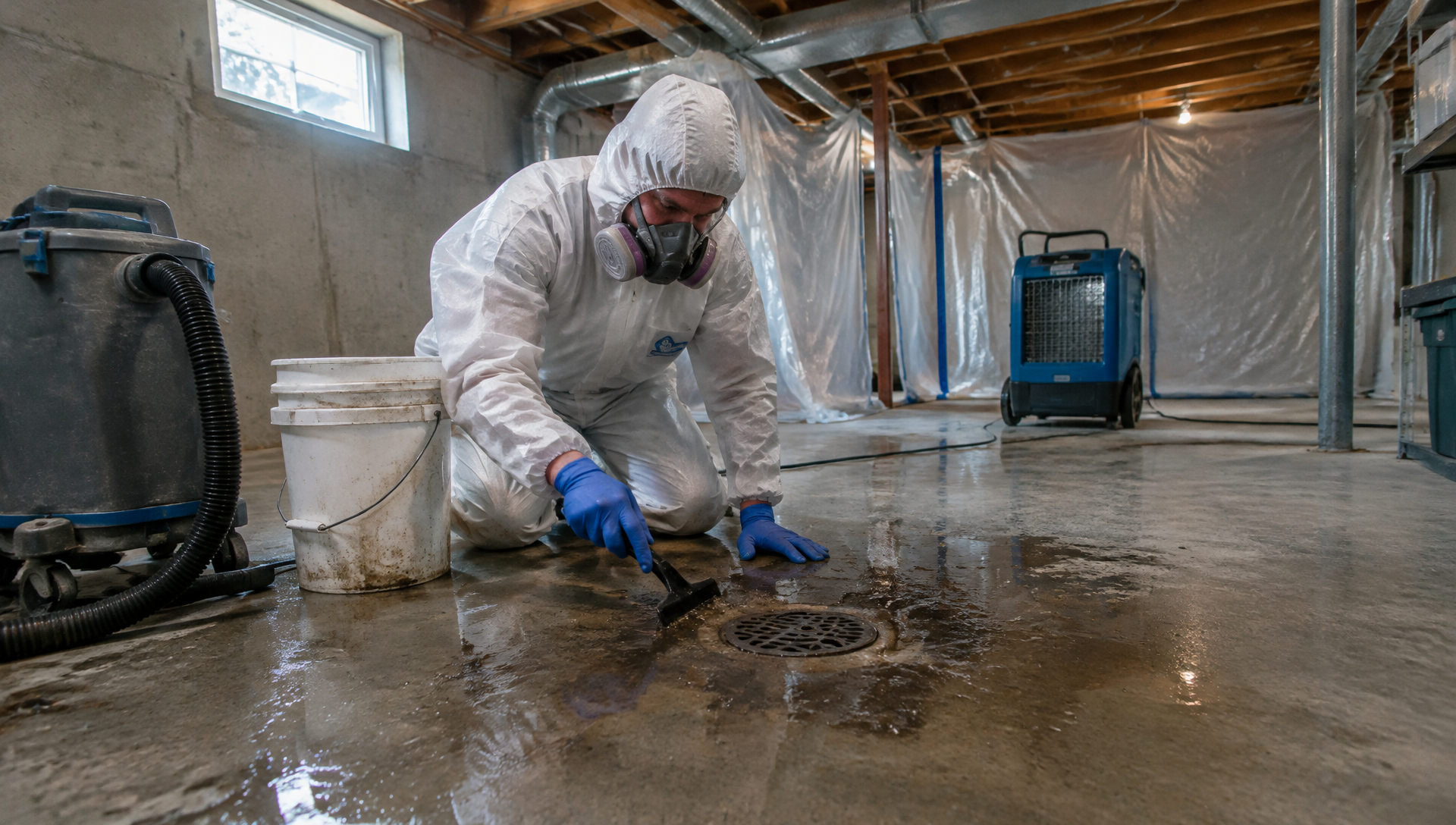
Sewage backup cleanup in Erin, Ontario: what to do first, why it needs professional handling, and how cleanup, sanitizing, and drying protect your home.
Sewage backup cleanup starts with safety
Sewage backup cleanup is one of those jobs nobody wants to think about until it is happening in their own basement. Maybe you noticed a smell near the floor drain, or water came up through the toilet or laundry tub after a heavy rain. Either way, if you live in Erin, Ontario or a nearby community, this guide walks you through what to do first, what to avoid, and what a professional cleanup actually involves.
The short version: sewage water is not the same as clean water from a burst supply line. It can carry bacteria and other contaminants, so the goal is to keep your family away from it, limit the spread, and get it handled properly.
Common causes of sewage backups in Erin-area homes
Backups can happen in town homes and rural properties alike. A few of the most common causes we hear about from homeowners in Erin, Guelph, Orangeville, and Fergus include:
- Heavy rain or spring thaw that overwhelms municipal sewer lines
- Blockages in the main drain from grease, wipes, or tree roots
- A floor drain or toilet that backs up when the line is restricted
- Septic system problems on rural properties
- Basement fixtures sitting lower than the point where the line is backing up
What to do in the first few minutes
If you are dealing with a sewage backup right now, here are some practical steps that can help while you wait for help:
- Keep children and pets out of the affected area
- Stay out of standing water, especially near outlets, appliances, or your electrical panel
- Stop running water, flushing toilets, and using the washer or dishwasher so you are not adding to the backup
- If you can do it safely from a dry spot, switch off power to the affected area
- Take photos and video of the water, the source, and damaged belongings before anything is moved
- Do not throw out damaged items until they have been documented for your insurer
Why sewage backup cleanup is not a DIY job
It is natural to want to grab a mop and some bleach and get it over with. The problem is that sewage water is treated as Category 3 water, which means it may contain pathogens. Household cleaning can spread contamination to other rooms on your shoes, tools, and clothing, and porous materials like carpet, underlay, and drywall can hold contamination you cannot see or wash out.
Professional cleanup uses containment, protective equipment, and proper disposal procedures so the problem stays in one place and gets dealt with completely. It also means you are not breathing in or handling contaminated materials while you try to clean.
What professional sewage cleanup looks like
Every home is different, but a typical sewage backup cleanup follows a careful, step-by-step process. Here is what you can generally expect when our team arrives.
Containment and extraction
Technicians wear full protective equipment and set up containment to help keep contamination from spreading into clean parts of your home. Then contaminated water and waste are safely extracted from floors, drains, and lower-level spaces.
Removing materials that cannot be saved
Porous materials that have been in contact with sewage, such as carpet, underlay, insulation, and the lower portion of drywall, often cannot be cleaned well enough to keep. These are carefully removed and disposed of. Before anything leaves your home, it should be documented so you have a record for your insurance adjuster.
Sanitizing and disinfecting affected surfaces
Once the waste and damaged materials are out, the remaining surfaces receive professional antimicrobial treatment. This includes concrete floors, framing, and any hard surfaces that were touched by the backup. Odour is addressed at its source with air treatment rather than simply being covered up.
Structural drying and monitoring
Even after the visible mess is gone, moisture can stay trapped in framing, subfloors, and wall cavities. Air movers and dehumidifiers are set up and checked as drying progresses. Thorough drying helps reduce the damp conditions that can lead to mould and lingering odour later on.
When a sewage backup floods your basement
A lot of sewage backups in our area show up in the basement first, since that is where floor drains and the lowest fixtures usually are. If your finished basement or rec room has been affected, the cleanup may overlap with basement flooding work, including removing wet flooring, drying the foundation walls, and getting the space back to a usable condition.
If you are not sure whether you are dealing with sewage, groundwater, or a mix of both, treat the water as contaminated until someone has assessed it. It is always better to be cautious.
A careful word about insurance
Whether a sewage backup is covered depends on your policy. In Ontario, sewer backup is often a separate optional coverage, and some policies have exclusions or limits for sewage and mould. The best thing you can do is review your policy wording or call your broker to confirm what applies to you.
What Polaris Restoration Group can do is document the damage thoroughly with photos, moisture readings, and an itemized scope of work. That kind of record may help when you speak with your adjuster.
How to lower the chance of another backup
You cannot control the weather, but a few habits can help reduce the risk of a repeat:
- Keep grease, wipes, and other non-flushables out of your drains
- Ask a plumber about a backwater valve, and check whether your town offers a subsidy
- Have tree roots near your sewer line looked at if you have had slow drains
- Keep up with septic maintenance on rural properties
- Test your sump pump each season
Sewage backup cleanup FAQ
Is it safe to stay in my home during sewage cleanup? It depends on how much of the home is affected and whether the area can be contained. Our team will explain whether temporary relocation makes sense for your situation.
Can I clean up a small sewage backup myself? Even a small backup can contain bacteria, and porous materials can hold contamination you cannot see. It is safest to have it assessed and cleaned by professionals.
Will the smell go away? The odour usually comes from contaminated materials and surfaces. Removing those materials, sanitizing what remains, treating the air, and drying the structure addresses the smell at its source.
How long does sewage backup cleanup take? Initial extraction and sanitizing may take one to two days. Drying and restoration can take several more days, depending on the materials and how far the water travelled.
Need sewage backup cleanup in Erin or nearby?
Call Polaris Restoration Group at 289-630-0911 for sewage backup cleanup in Erin and surrounding communities. Available 24/7. Our Erin-based team serves Erin, Guelph, Orangeville, Fergus and nearby neighbourhoods. Keep your family away from the affected area, avoid standing water near electrical sources, and hold on to damaged belongings until they are documented for your insurer.